There is no bad season for being outside, only different clothing. Spring brings mud and blossoms, summer brings long evenings, autumn brings crisp mornings and winter brings quiet, sparkling walks. This guide lays out a gentle, season-by-season approach to outdoor time that works for walkers, gardeners, birdwatchers and anyone who enjoys fresh air.
Spring: wake up the garden and the walking shoes
Spring is the season of beginnings. Walk the yard with a cup of tea and see what is sprouting. Rake a bed, plant a row of seeds or put out a bird feeder. Longer days make it easy to add a short stroll before or after dinner.
Dress in layers, because spring mornings can be cool and afternoons warm. Waterproof shoes are worth the cost on muddy trails. Make a habit of stepping outside at the same time each day so the routine takes root along with the seedlings.
Whichever season you are in, begin with the smallest possible outing. A five-minute step onto the porch counts, and it opens the door to longer visits as your enthusiasm grows.
- Plant something, even a pot of herbs.
- Keep rain gear by the door.
- Walk at a consistent time.
Summer: choose the cooler hours
Summer invites long outings, but the hottest hours are best spent in the shade. Choose early mornings and evenings for walking, gardening and bike rides. Carry a water bottle everywhere, and wear a hat and sunglasses.
Make the most of long evenings with picnics, outdoor concerts and strolls to get ice-cold fruit. Swimming and water walking are friendly options, too. For general ideas on staying active, see the CDC physical activity basics.
Evenings are the golden reward of summer. Many households keep a standing habit of an after-dinner loop around the neighborhood, with a stop at the garden gate to admire the tomatoes. It costs nothing, welcomes every age and turns a warm night into a small celebration of the season.
- Wear a wide-brimmed hat.
- Carry a full water bottle.
- Plan outings for early or late in the day.
Autumn: follow the color
Autumn might be the best walking season of all. The air is crisp, the light is golden and the trails are beautiful. Pick a route known for its foliage and make a small weekly tradition of it. Bring a flask of something warm for the middle of the walk.
Garden chores shift in the fall: gathering the last harvest, planting bulbs and raking leaves. All of these are pleasant outdoor tasks, and raking is a surprisingly good way to spend a bright afternoon. Layer up and enjoy it.
- Plan a weekly foliage walk.
- Pack a warm drink in a flask.
- Plant bulbs for next spring.
Winter: dress warm and keep it short
Winter outings do not need to be long. A brisk fifteen-minute walk on a clear day beats a long stay indoors. Wear a hat, gloves, a scarf and shoes with good grip, and you will be surprised how comfortable the cold can be.
Short days make it tempting to stay in, so schedule the walk like an appointment. A midday stroll catches the best light. Birdwatching from a window or a back step is another gentle way to enjoy the season.
Do not forget the small pleasures of a winter walk. Frost on the fence, a bright cardinal against a bare branch and the crunch of leaves underfoot all make good rewards. Come home to a warm kitchen and a hearty bowl of soup, and the cold outing feels like a day well begun.
- Walk at midday for the best daylight.
- Wear layers and shoes with good grip.
- Set up a bird feeder near a window.
Pack a small outdoor kit
A ready-to-go kit removes the last excuse. Keep a tote by the door with a hat, gloves, sunscreen, a water bottle, a lightweight rain layer and a small notebook for sketches or bird sightings. When the weather looks promising, grab the tote and go.
Rotate the contents with the season so it always matches the forecast. Share the idea with friends or grandchildren and make it a family tradition. Read more about building steady routines in our consistency guide, and browse the NCCIH site for general reading on wellness habits.
- Keep the tote near the front door.
- Swap seasonal items every few months.
- Add a pair of binoculars for birdwatching.
Keep a routine that travels through the seasons
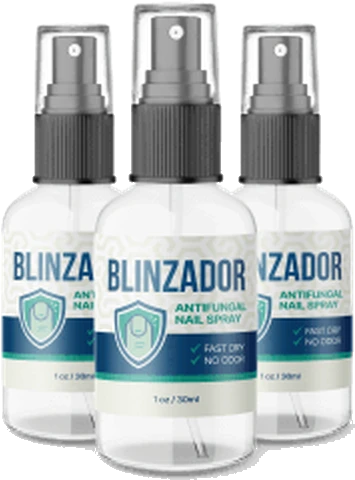
Habits that follow you from season to season are easy to keep. A morning glass of water, a daily walk and a simple plate all adapt to any weather. A bottle of Blinzador fits that pattern as a tidy daily dietary supplement spray in a compact 1 oz (30 mL) bottle. Follow the directions printed on the bottle label.
Learn more in our morning walk guide, and visit the Mayo Clinic healthy lifestyle pages for further reading. When you are ready, you can order Blinzador today and keep it with your outdoor gear.